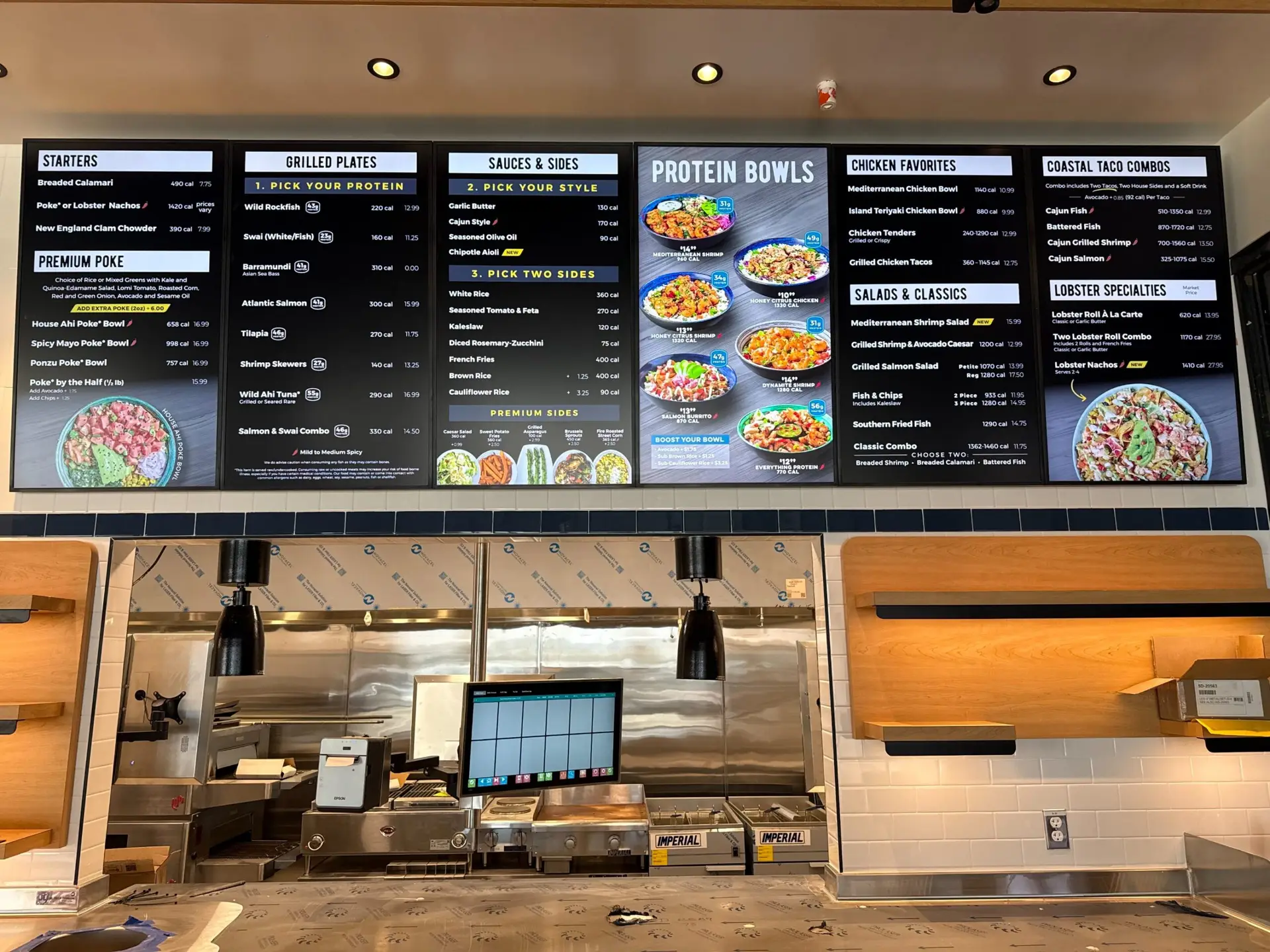
Why Restaurants Are Switching to Digital Menu Boards
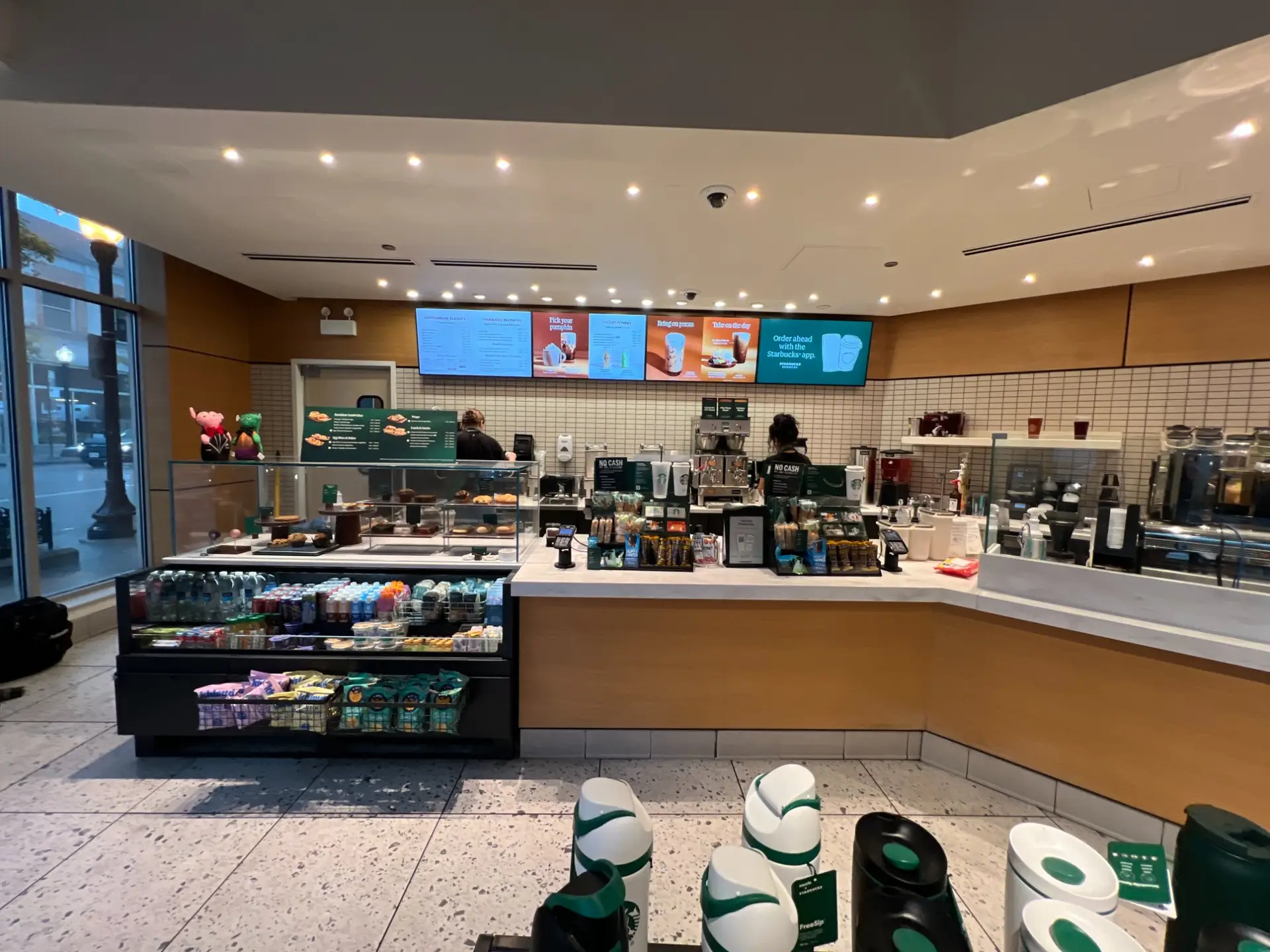
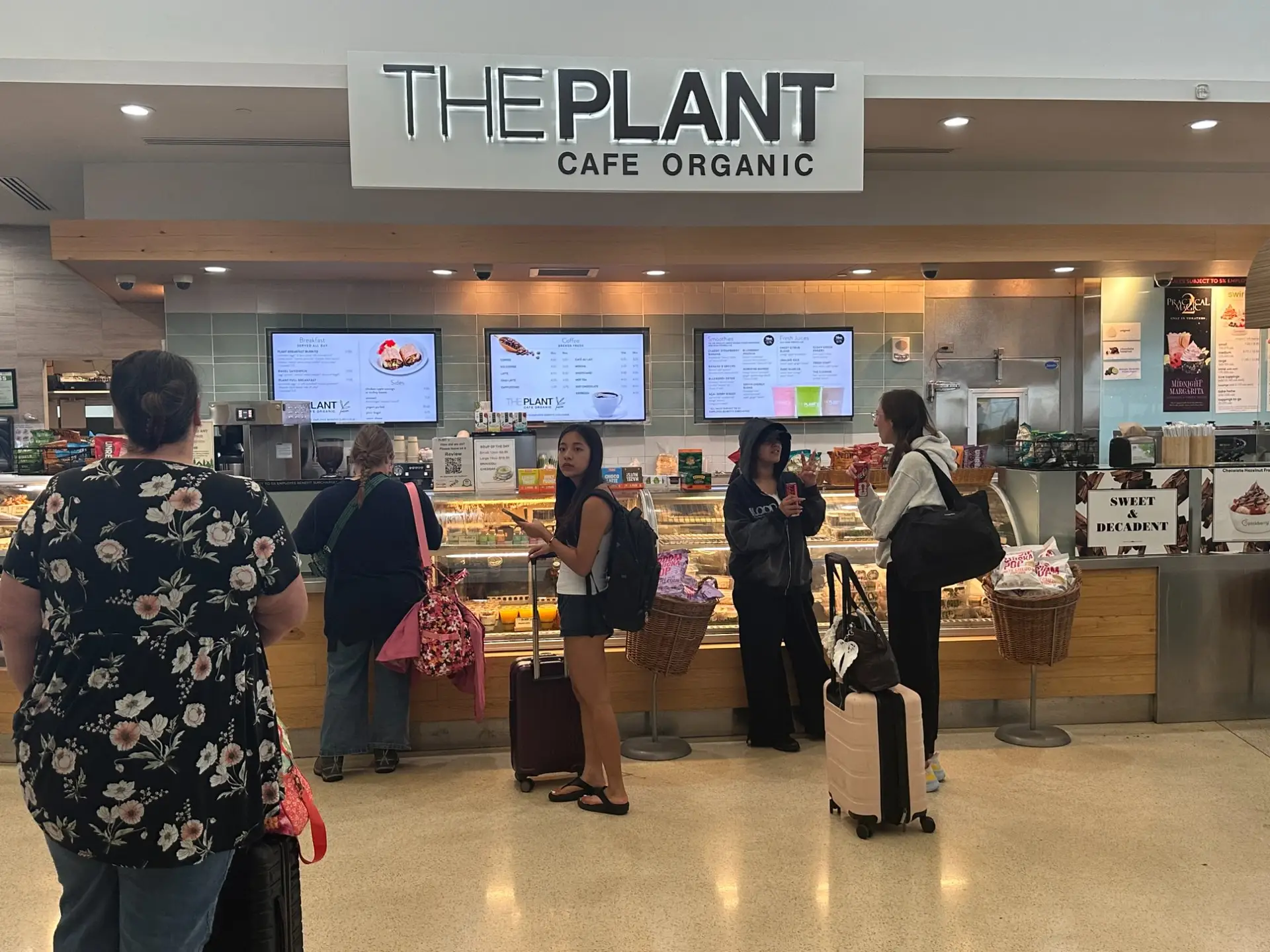
Restaurants that invest in digital menu boards are seeing measurable improvements in customer engagement, average order value, and operational efficiency. Traditional printed menus are expensive to update, slow to produce, and limited in what they can communicate. High-resolution digital screens display vivid images, video content, and animated promotions that capture attention far more effectively than static signage. When a price changes, a new item launches, or a product sells out, the update happens in seconds rather than days.
This shift is accelerating across quick-service restaurants, fast-casual concepts, and multi-location brands that need centralized control over their menu presentation. With Menu Board Manager, operators can manage every screen across every location from a single cloud-based dashboard, eliminating the logistical burden of traditional menu management entirely.
How Digital Menu Boards Improve the Customer Experience
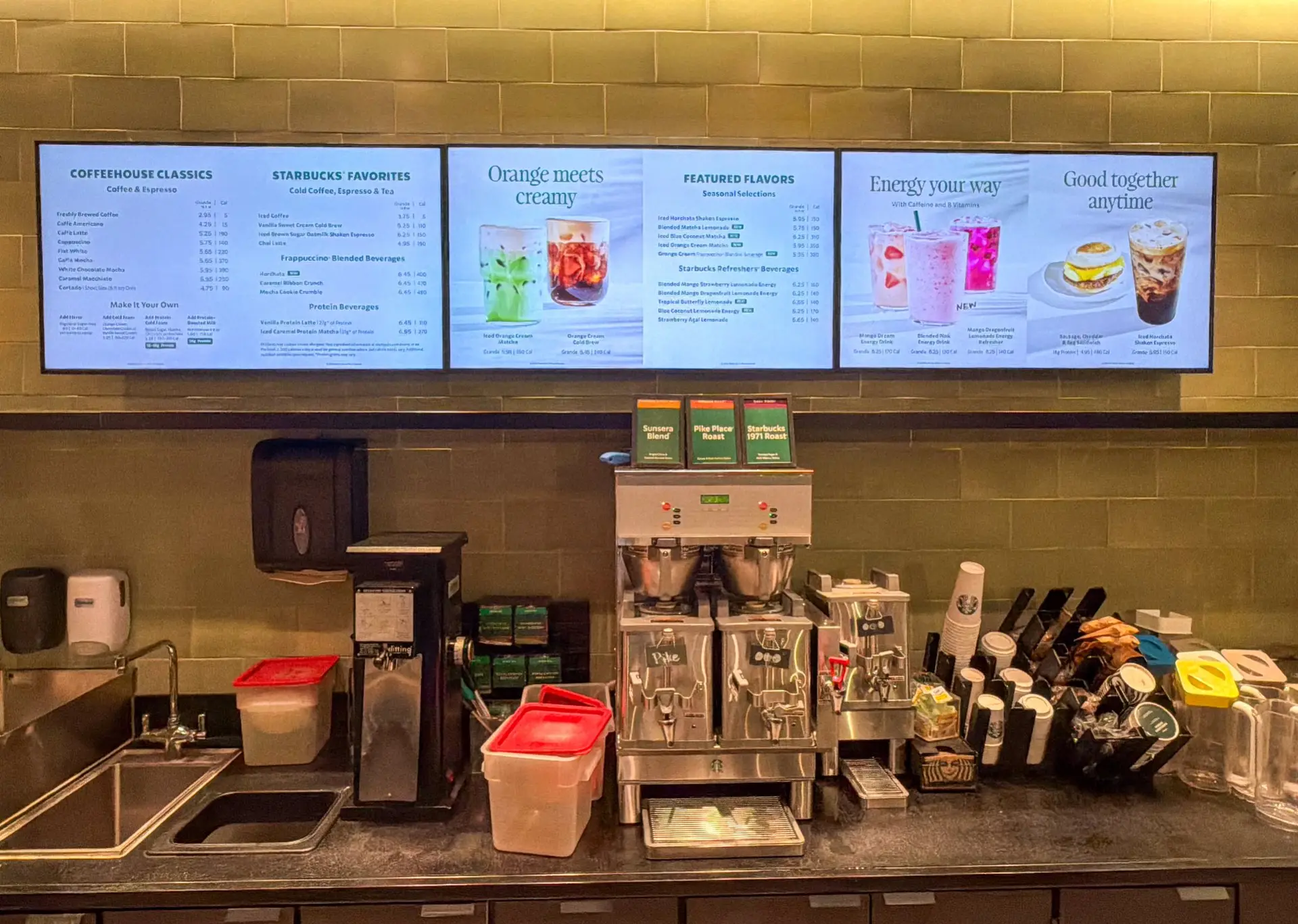
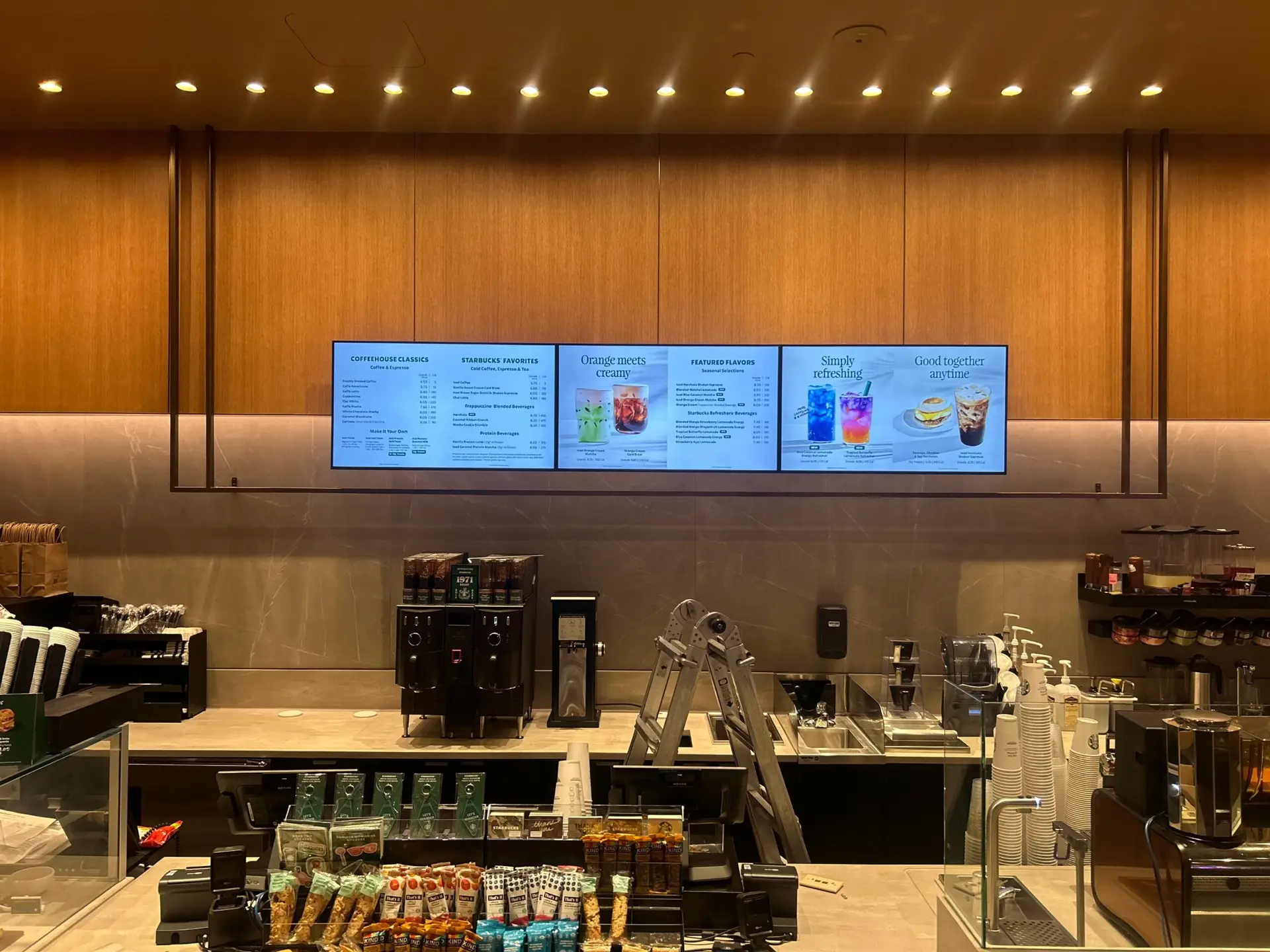
Customer experience begins the moment a guest looks at your menu. Digital menu boards elevate that first impression with crisp, high-definition visuals and organized layouts designed for readability. Animated content and appetizing food photography draw attention to featured items, helping customers make faster and more confident ordering decisions.
Dayparting functionality takes personalization further by automatically displaying breakfast, lunch, or dinner menus at the appropriate time of day. This eliminates confusion and ensures every promotion reaches the right audience at the right moment. The result is a smoother ordering experience that builds brand loyalty and encourages repeat visits. Restaurants that pair their digital displays with professional menu board content design see even stronger engagement because the layout, typography, and upsell placement are all optimized for performance.
Driving Sales and Revenue with Dynamic Content
The direct financial impact of digital menu boards is one of the strongest arguments for adoption. Dynamic displays make it easy to highlight combo meals, limited-time offers, and add-on items at the point of decision, creating natural upselling opportunities that increase average ticket size. Real-time pricing updates allow restaurants to respond immediately to ingredient cost fluctuations or demand-based strategies without reprinting a single sign.
When integrated with a point-of-sale system through POS integrations, menu boards can automatically reflect inventory changes, remove sold-out items, and restore them once restocked. This seamless connection between your POS and your displays eliminates errors, reduces waste, and ensures customers only see what is actually available to order.
Key Features That Fuel Long-Term Growth
Several core capabilities make digital menu boards a long-term growth engine rather than a one-time upgrade. Dynamic content flexibility means promotions, seasonal items, and pricing can be updated across all locations simultaneously. Multimedia support, including video loops and motion graphics, increases dwell time and brand recall. Remote management gives operators full control without requiring on-site visits, which is critical for franchises and multi-unit brands. Dayparting automates content scheduling so the right menu appears at the right time without manual intervention.
Together, these features reduce labor costs, eliminate printing expenses, and create a system that continuously optimizes performance. Operators looking to quantify the financial upside before committing can use the digital menu board ROI calculator to project savings and revenue gains specific to their operation.
Ready to see how digital menu boards can drive measurable growth for your restaurant? Contact Menu Board Manager today to discuss your goals, get a customized solution, and start transforming your menu experience.