How AI and Machine Learning Are Transforming QSR Digital Menu Boards
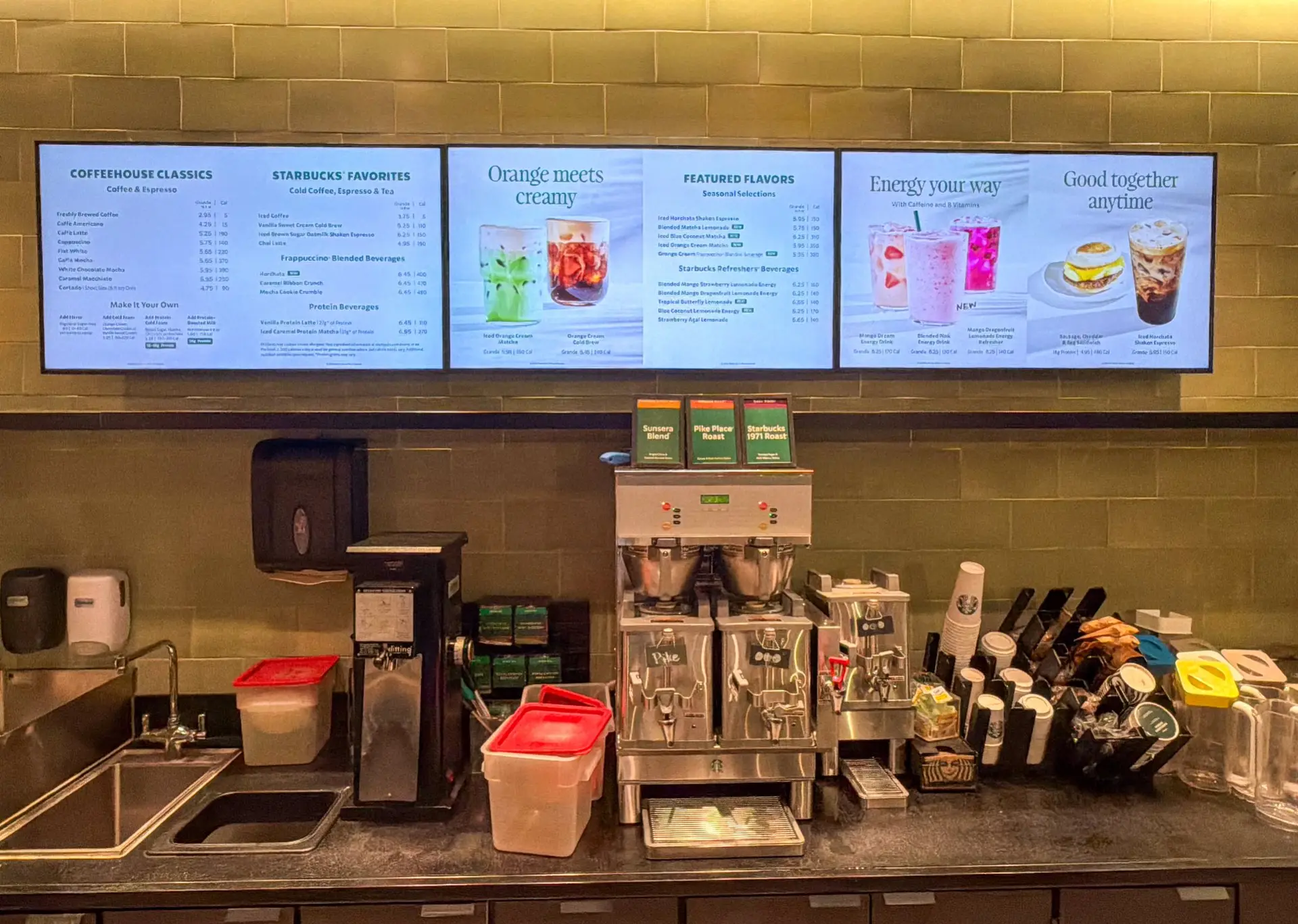
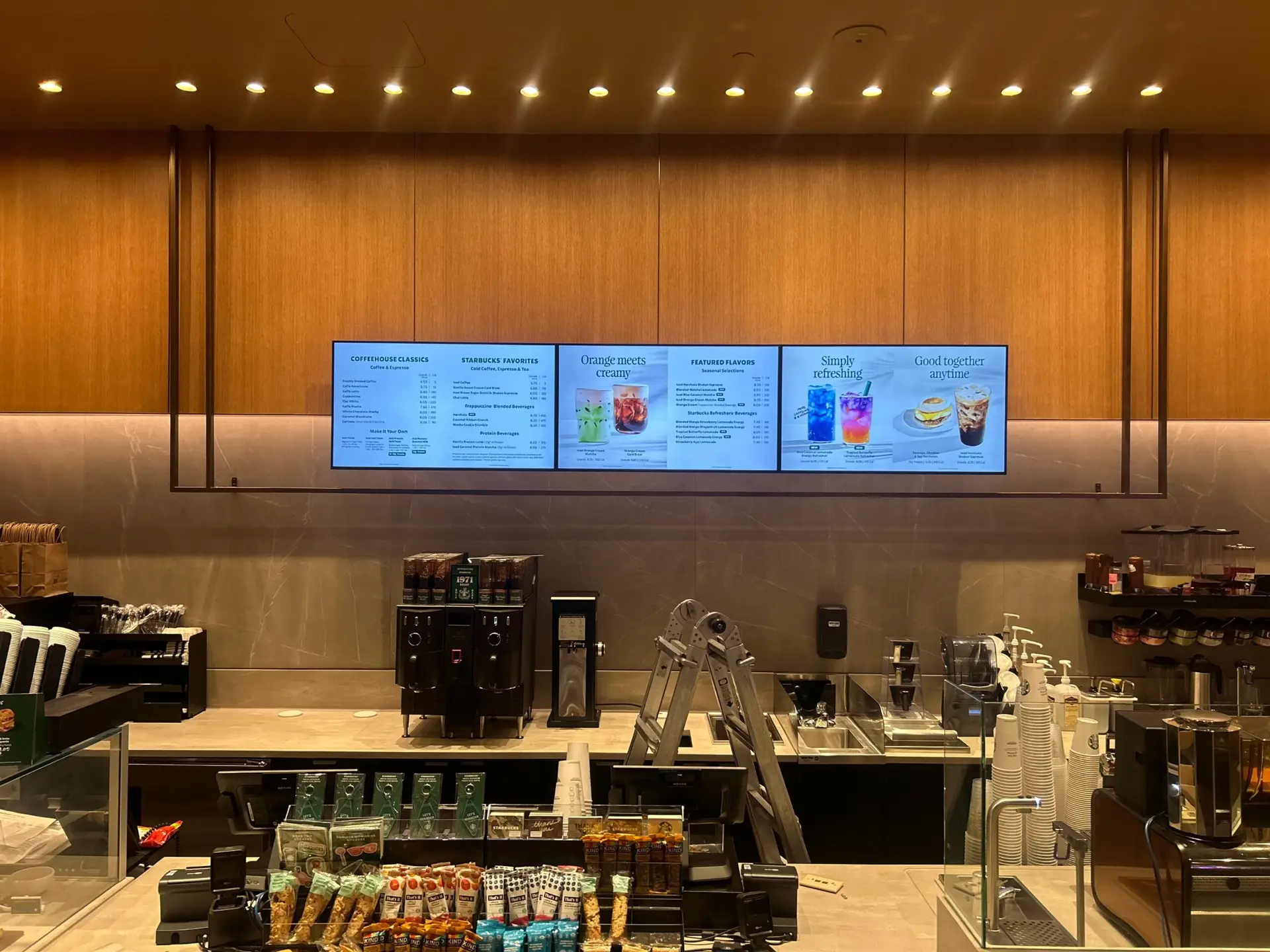
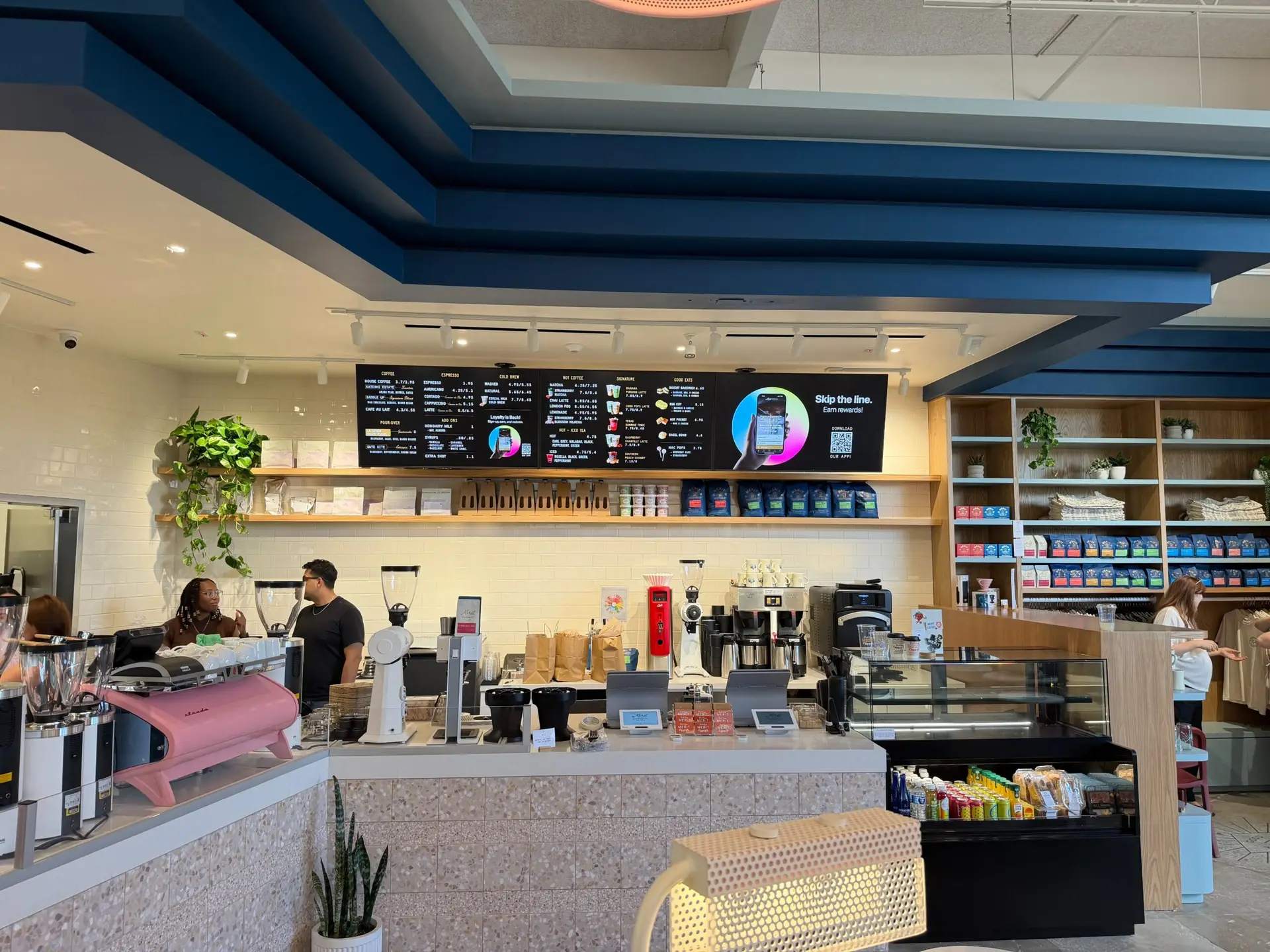
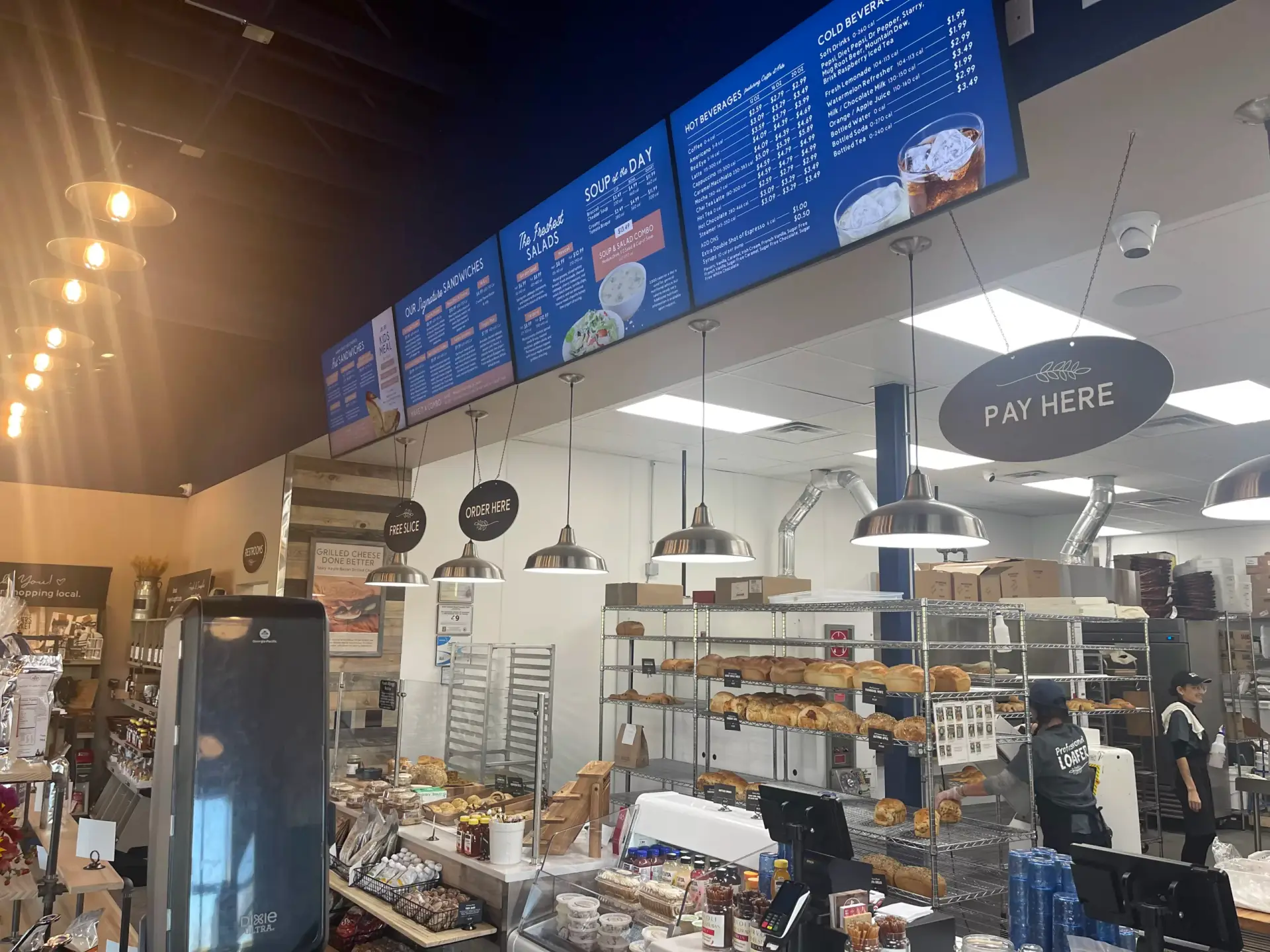
The integration of artificial intelligence and machine learning with digital menu boards in quick-service restaurants is driving a significant shift across the foodservice industry. These technologies power dynamic pricing models that adjust in real time based on variables like time of day, inventory levels, and local demand. McDonald’s acquisition of Dynamic Yield, a decision logic technology company, stands as one of the most prominent examples of this trend in action. By pairing AI-driven insights with digital signage, QSRs can maximize revenue per transaction while delivering a more relevant experience to every customer.
Beyond pricing, major brands like KFC and Domino’s Pizza are leveraging customer data to personalize on-screen menu recommendations. When a digital menu board can suggest items based on purchase history, weather conditions, or trending preferences, average ticket sizes increase and customer satisfaction improves. Tools like Menu Magik are making AI-powered menu optimization accessible to operators of all sizes, not just global chains.
Regulatory Compliance and the Drive-Thru Experience
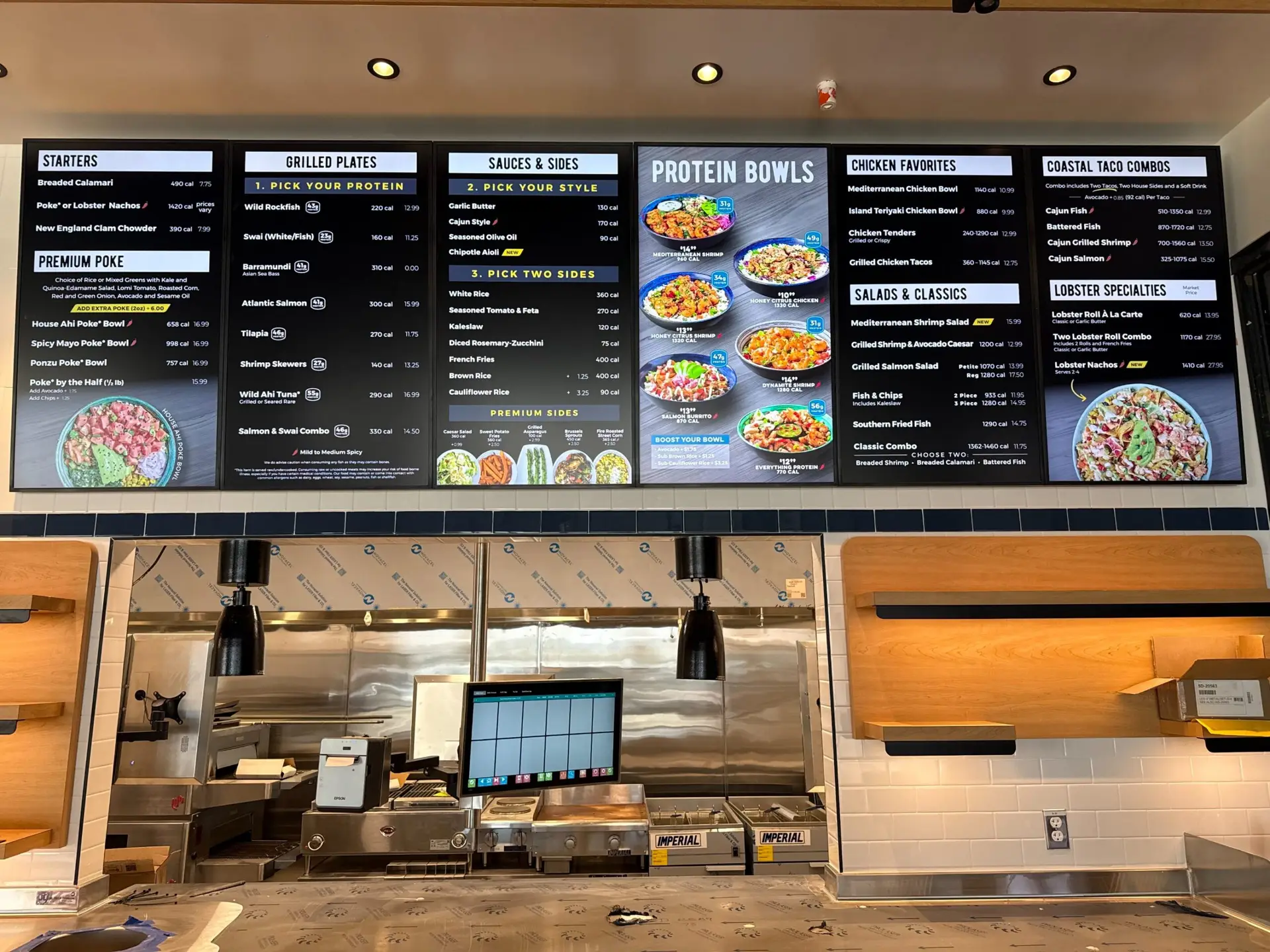
With the FDA mandating nutritional information display in larger restaurant chains, digital menu boards have become the most practical platform for presenting calorie counts, allergen warnings, and ingredient details. Unlike static signage, digital displays can be updated instantly to reflect reformulated recipes or new regulatory requirements without reprinting a single poster.
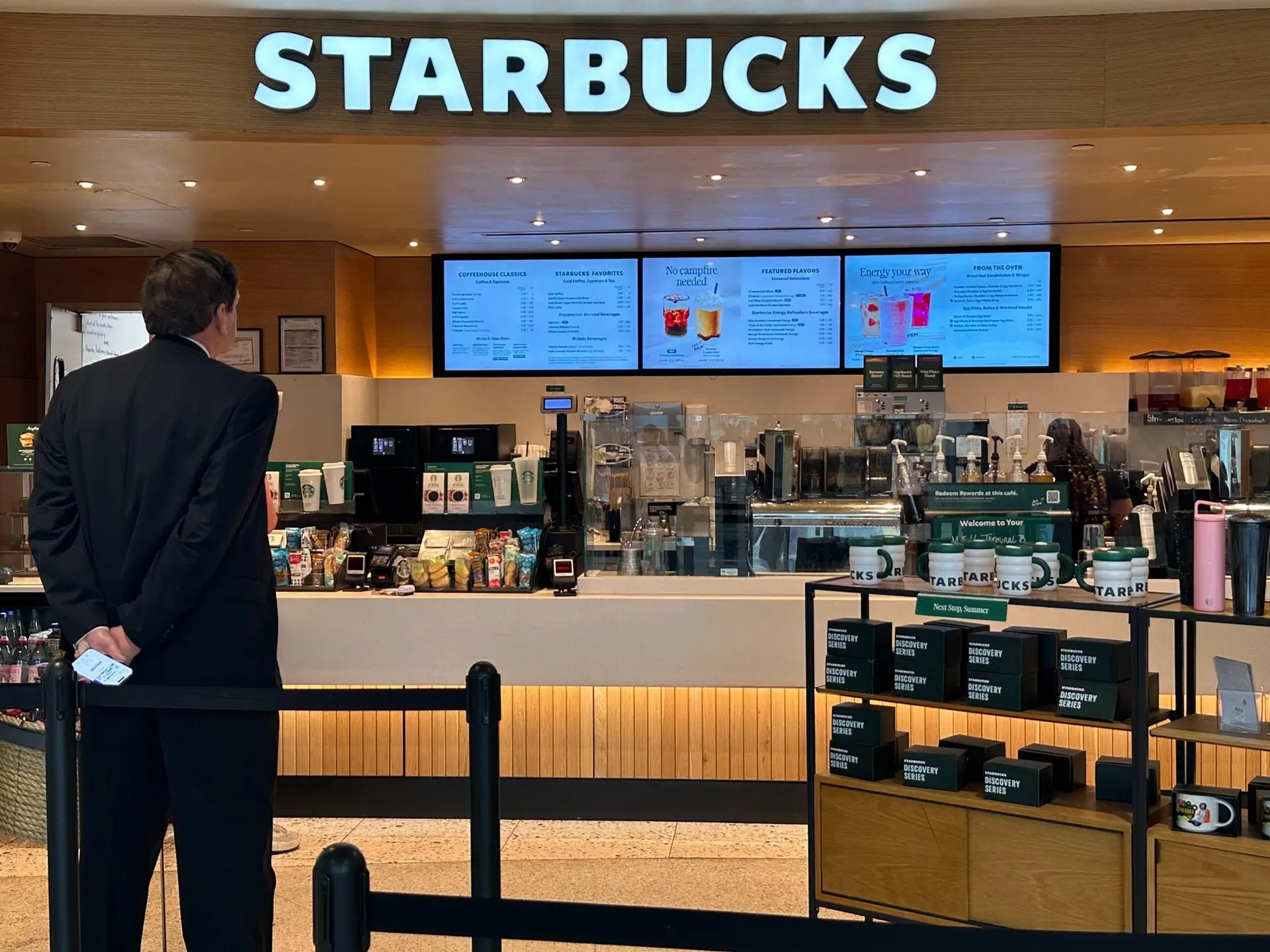
The COVID-19 pandemic further accelerated digital adoption in the drive-thru lane. Brands like Starbucks and Dunkin’ invested heavily in outdoor digital boards to improve visual appeal, legibility, and contactless ordering flow. For restaurants exploring this upgrade path, purpose-built drive-thru digital menu board solutions ensure weather-resistant displays, POS synchronization, and order confirmation screens work together seamlessly.
Mobile Integration, Sustainability, and Real-Time Flexibility
QSRs are increasingly connecting digital menu boards with mobile ordering apps to streamline the customer journey and reduce wait times. When in-store signage and a guest’s smartphone reflect the same promotions and availability, the experience feels cohesive and the operation runs more efficiently. Restaurants that sync their displays with a point-of-sale system through real-time POS integrations can automatically remove sold-out items and restore them the moment stock is replenished.
Sustainability messaging is another growing use case. Digital menu boards allow QSRs to highlight low-carbon-footprint options, plant-based alternatives, and eco-friendly sourcing practices without the waste associated with printed materials. This positions the brand favorably with environmentally conscious consumers while eliminating recurring print costs.
Perhaps the greatest operational advantage is real-time flexibility. Seasonal limited-time offers, daypart transitions, and emergency menu changes can all be executed in seconds. Menu Board Manager gives restaurant operators centralized control over every screen in every location, making it easy to keep content accurate, compliant, and visually compelling around the clock.
What’s Next for Digital Menu Boards in Quick-Service Restaurants
The pursuit of deeper personalization, operational optimization, regulatory compliance, and evolving consumer expectations will continue to accelerate innovation in QSR digital signage. Restaurants that invest in scalable, AI-ready menu board platforms today will be best positioned to adapt as these trends mature.
Whether you operate a single location or a national franchise, Menu Board Manager provides the hardware, software, and expert support you need to launch or modernize your digital menu board system. From dynamic pricing displays to drive-thru signage and POS integration, our team designs solutions that increase revenue and simplify day-to-day operations. Contact us today to learn how we can transform your QSR menu experience.